
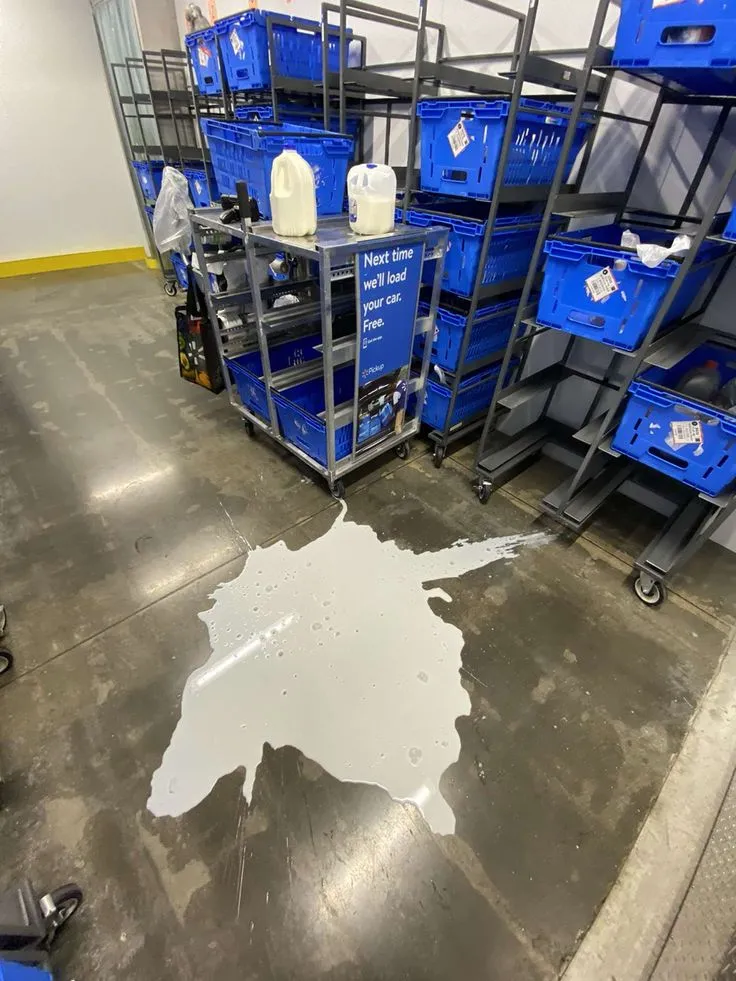
Beverage-production floors may look similar to other industrial surfaces, but their daily exposure can be unusually demanding. Sugary liquids, food acids, water, cleaning chemicals, carts, pallets, and filling equipment may all affect the same area during one production cycle. Small spills can become sticky residues, while frequent sanitation introduces additional moisture and temperature changes. For plant managers, flooring decisions should therefore consider what is being produced, where liquids concentrate, and how each area is cleaned rather than treating the facility as one uniform industrial space.
Sugary Residues Create Cleaning Challenges
Soft drinks, juices, syrups, flavored beverages, and other products can leave sticky residues when spills reach the floor. These deposits can attract dirt and become increasingly difficult to remove if they collect in cracks, damaged joints, or porous concrete.
A continuous resinous surface can make routine cleanup more manageable by reducing open grout lines and porous areas. However, the surface still needs a suitable cleaning program. Managers should identify where product spills happen most frequently and ensure those zones remain accessible for sanitation.
Food Acids Affect Material Selection
Certain beverages and ingredients contain acids that may create different exposure conditions from ordinary water. Cleaning chemicals used during sanitation add another chemical consideration.
Facilities researching Food And Beverage Flooring Services In Nj should provide contractors with information about the products, cleaning agents, and concentrations likely to contact the floor. Chemical resistance varies between resin systems, so the specification should reflect realistic plant conditions.
Material selection should be based on repeated exposure rather than an occasional idealized spill scenario.
Filling Lines Concentrate Wear
Bottling and filling equipment creates narrow operational zones where employees, carts, containers, and maintenance activity are concentrated. Small product leaks or splashes may also occur repeatedly around the same equipment.
These areas can experience both chemical and mechanical stress. Floor joints, equipment bases, and narrow access routes deserve closer inspection because localized damage may develop before the wider production floor shows significant wear.
Mapping these high-use areas before resurfacing helps prioritize preparation and future maintenance.
Washdowns Add Temperature Changes
Food and beverage plants often depend on intensive cleaning cycles. Depending on the operation, the floor may encounter warm or hot water followed by cooler production conditions.
Repeated temperature changes can place additional stress on unsuitable flooring systems. Managers should explain normal washdown procedures during project planning, including approximate temperatures and frequency.
The flooring specification should work with the facility’s sanitation process rather than require unrealistic changes to established cleaning routines.
Drainage Must Support Production
Liquids generated by spills and cleaning need an efficient route away from work areas. Low spots or deteriorated drain surrounds can leave standing water or product residue even when the surface coating remains intact.
Before flooring work begins, managers should inspect slopes, drainage paths, and concrete around drains. A resinous coating can create a more continuous finish, but it cannot correct every underlying drainage problem.
Repairing substrate or slope issues before installation can reduce difficult wet areas later.
Preparation Should Reach Equipment Edges
Production equipment can make concrete preparation more complicated. Large open areas may be accessible to mechanical grinders, while tight spaces around filling machines, tanks, pipes, and fixed bases require additional attention.
When choosing an Epoxy Floor Installer In Green Brook, facility managers should ask how old coatings, contamination, weak concrete, and difficult perimeter areas will be prepared.
Consistent adhesion depends on the entire substrate, not only the sections that are easiest for preparation equipment to reach.
Texture Should Match Spill Risk
Additional texture can support traction where liquids frequently reach the floor, but excessive roughness can trap sugary residue and increase cleaning time.
Production managers should evaluate spill frequency, employee footwear, cleaning equipment, and drainage when choosing a surface profile. Filling lines may need different traction characteristics from dry packaging or storage areas.
A zone-based approach can provide useful grip without making every section equally difficult to clean.
Packaging Areas Have Different Demands
Once beverages are sealed and packaged, flooring exposure often changes. Packaging zones may face more pallet movement, carts, and forklift traffic while experiencing fewer direct liquid spills.
This difference is useful when planning the overall system. A facility does not necessarily need identical texture or performance priorities in wet production and dry packaging areas.
Understanding these variations can also help maintenance teams focus inspections on the risks most relevant to each zone.
Beverage production floors endure persistent moisture, sugary residues, chemical exposure, and heavy equipment traffic, creating deterioration far beyond an ordinary spill. These demanding conditions require specialized expertise to maintain hygiene, traction, and structural resilience. Experienced flooring contractors in Virginia beach can recommend durable surfaces engineered to withstand continual exposure while minimizing maintenance challenges.
Conclusion
Beverage-production flooring has to manage a combination of sticky residues, food acids, sanitation chemicals, washdowns, equipment traffic, drainage, and temperature changes. These conditions make flooring performance closely connected to the production process itself.
A stronger flooring strategy begins by mapping where liquids, chemicals, traffic, and cleaning activity are concentrated. Proper substrate preparation, suitable resin chemistry, effective drainage, balanced texture, and zone-specific maintenance can then support a more practical production environment. Treating the floor as part of the processing system rather than a simple surface finish helps facilities plan for the conditions they actually face every day.
