
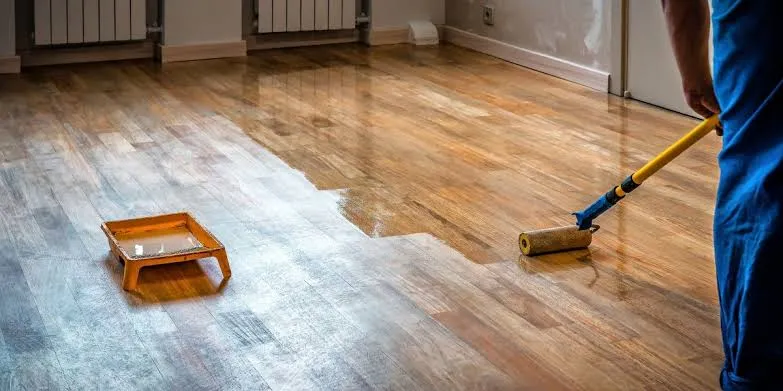
Some floors live a gentle life, and others face punishing conditions every single day. Freezing mornings, summer heat, direct sunlight, and rising damp can wreck ordinary finishes in a surprisingly short time. A polyaspartic floor coating is often chosen with those challenges in mind, curing quickly and staying stable where other materials struggle. Knowing the limits matters as much as knowing the strengths. Here is how it behaves in demanding environments and what owners should plan for.
What Makes Fast Curing Different
Traditional two-part resins can take a full day or more to become walkable. Polyaspartic chemistry reacts much faster, so a floor may be ready for light use within hours. That speed shortens disruption for families and businesses alike, and it reduces the chance that dust, insects, or humidity will interfere with the wet film.
The trade-off is a shorter working window. Installers must mix in small batches and move quickly, which demands skill and a well-organized crew. A rushed or inexperienced application can leave roller marks or uneven texture. Experience matters here more than almost anywhere else in the flooring trade. Always ask who will actually apply the product.
Handling Cold and Damp Spaces
Lower levels of a house bring unique headaches. Concrete there is often cooler, slightly damp, and prone to vapor movement from the soil beneath. Before choosing any basement floor coating, owners should test for moisture and fix drainage issues, because trapped vapor can push a finish off the slab regardless of how good the material is.
Cold temperatures add another layer of difficulty. Some resins stall or cure unevenly in chilly conditions, while fast-curing options can often be applied at lower temperatures. Even so, surface and air readings should be checked before work begins. A good installer will postpone a job rather than gamble on a marginal day. Patience costs less than redoing a floor.
Sunlight, Heat, and Color Stability
Direct sun is hard on many coatings. Standard epoxy tends to yellow or chalk when exposed to ultraviolet rays, which spoils the appearance of patios, sunrooms, and open-door workshops. UV-stable chemistry resists that discoloration, so colors stay truer, and the surface keeps a cleaner look over the seasons. That matters most near large windows.
Heat is a second concern. Hot tires, summer afternoons, and sun-warmed slabs can soften weaker films and cause tire marks. Flexible, heat-tolerant formulas cope with these swings better because they expand and contract along with the concrete. That flexibility helps the coating stay bonded when temperatures rise and fall sharply. Always confirm the product’s rated temperature range.
Preparation Still Decides the Outcome
Even the most advanced material cannot rescue a poorly prepared slab. Grinding removes laitance, old paint, and contaminants so the new layer can anchor firmly. Cracks and spalled areas need patching with compatible fillers, and every trace of oil must be cleaned away before the first coat goes on. Shortcuts here are never worth the risk.
Many pros apply a thin base layer, then decorative flakes, and finish with a clear protective coat. This layered build gives the floor depth, grip, and a wipe-clean surface. The stack is usually completed in a single visit, which is one reason busy homeowners and small businesses appreciate the approach. Ask what each layer is meant to do.
Weighing Cost Against Longevity
Fast-curing systems usually cost more per square foot than basic coatings, and quotes reflect that. The premium covers specialized material and the labor needed to apply it before it sets. For a floor that must be back in service quickly, the extra spend can be easier to justify than long downtime. Think of it as buying time as well as material.
Longevity also enters the equation. A well-applied system tends to resist abrasion, staining, and chemicals for many years, which lowers repair and recoating needs. Request a written warranty, ask about maintenance expectations, and compare what is covered. Clear answers are a good sign that the contractor stands behind the work. Documentation protects you if issues appear.
Conclusion
Challenging environments reward careful material choices. Fast curing, UV stability, and temperature tolerance all help a floor survive conditions that defeat lesser finishes, but only when the slab is prepared properly and the installer knows the product. Match the system to the real conditions, and the floor will repay you with years of dependable service.
For more guidance on selecting a durable finish for your own space, visit khaysservices.com and discuss your requirements with a specialist who can recommend a practical solution. A short call can clarify scope, timing, and cost before any decision.
