
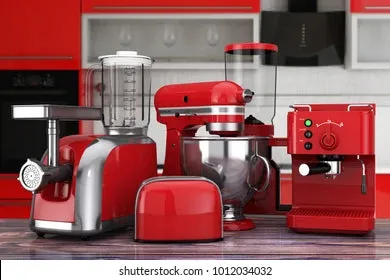
Moving into a new home creates a long shopping list, but not everything needs to be purchased at once. It is easy to spend heavily on decorative items while overlooking the everyday pieces that make cooking, sleeping, cleaning, and organizing easier. People planning to Buy Home Essentials for new home can save time by prioritizing function before style. A practical setup starts with the most-used rooms and items that solve immediate problems.
Begin with the Daily Routine
Before shopping, think through a normal weekday from morning to night. What do you need immediately after waking? Which kitchen tools are used daily? Where will keys, bags, laundry, and toiletries go?
This exercise helps separate genuine essentials from items that only seem urgent because they look attractive in a store.
For most households, bedding, basic cookware, cleaning tools, towels, lighting, and simple storage deserve attention before purely decorative purchases.
Set Up the Bedroom for Rest First
A comfortable bedroom does not require elaborate styling on the first day. Start with the basics: suitable bedding, pillows, window coverage where needed, and accessible lighting.
A bedside lamp can be more useful than an entire decorative lighting scheme because it supports reading and nighttime movement. Storage for clothing and frequently used personal items can reduce clutter before additional decor is introduced.
Once the room functions well, artwork, throws, mirrors, and decorative accessories can be added gradually.
Make the Kitchen Practical Before Making It Full
New homeowners often buy kitchen gadgets faster than they can use them. A better strategy is to begin with a small set of dependable tools.
Think about how you actually cook. Someone who prepares simple meals may need a good cutting board, knives, pans, storage containers, and basic utensils more than specialty equipment.
Counter space is also valuable. Keeping only frequently used items visible can make a small kitchen easier to work in.
Additional tools can be added later when a real need appears.
Create Storage Where Clutter Naturally Collects
Every home develops clutter zones. Entryways collect shoes and bags, bathrooms gather toiletries, and kitchens accumulate small tools and packages.
Instead of buying storage randomly, watch where items naturally pile up during the first few weeks. Then choose baskets, shelves, organizers, or cabinets that solve those specific problems.
This approach is more effective than purchasing a large collection of containers before understanding how the home will actually be used.
Use Lighting to Improve Function
Lighting is both practical and decorative. Overhead fixtures may not provide enough light for reading, cooking, or working.
Layering light can improve a room without requiring major renovation. Task lamps, bedside lighting, and small accent lights can support different activities while also changing the mood.
Smart lighting can be useful where adjustable brightness or scheduling fits the household routine, but technology should solve a real need rather than being added simply because it is available.
Choose Decor Slowly
It can be tempting to decorate every empty wall immediately. Waiting often produces a better result.
Living in the space for a while reveals which rooms feel too bare, where a mirror would help, and which colors work naturally with the existing light and furniture.
People comparing Best Curated Home Essentials USA may find it useful to think in categories rather than complete matching sets. A few carefully chosen textiles, a lamp, wall art, and practical storage can create more character than many small accessories competing for attention.
Think About Maintenance Before Buying
An item may look perfect but still be impractical if it is difficult to clean, store, or maintain.
Before buying rugs, bedding, decorative objects, or kitchen tools, consider how often they will need care and whether that fits your routine.
Homes generally feel easier to manage when everyday items are simple to use and easy to put away.
Keep a Second-Phase List
Not every desirable item needs to be purchased immediately. Create a second list for things that would improve the home but are not urgent.
This could include larger mirrors, upgraded lighting, additional storage, decorative wall pieces, or specialty kitchen tools.
Waiting helps spread costs and gives you time to choose items based on real experience in the space.
Conclusion
Setting up a new home is easier when function comes before completion. Prioritize sleep, cooking, cleaning, lighting, and basic organization, then observe how the space is used before making larger decorative decisions.
A home does not need to look finished immediately. Building it gradually allows each purchase to solve a real need or add something meaningful. The result is usually more practical, less cluttered, and more personal than trying to buy everything at once.
